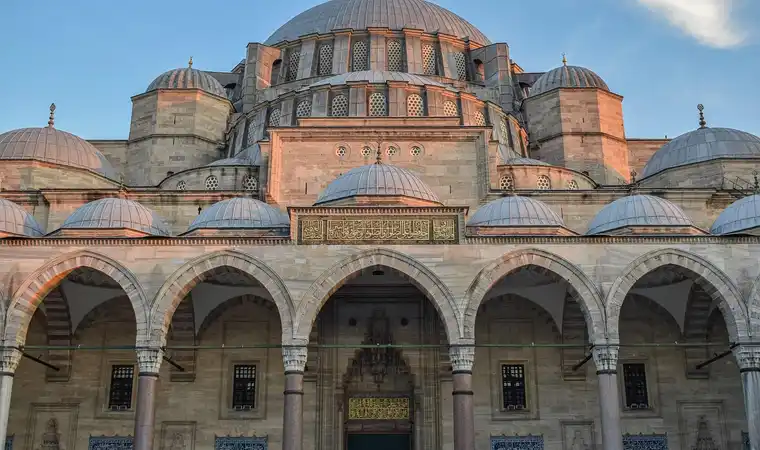
Hajj is one of the five pillars of Islam, obligatory once in a lifetime for every Muslim who is physically and financially capable. It takes place annually during Dhul Hijjah, the twelfth month of the Islamic lunar calendar, drawing millions of pilgrims to Mecca. Understanding what hajj requires — before, during, and after — is essential for anyone who intends to fulfill this obligation correctly.
What Is Hajj and Who Must Perform It
Hajj is a prescribed set of rituals performed in and around Mecca, Saudi Arabia, tracing back to the Prophet Ibrahim (AS) and completed in its final form by the Prophet Muhammad (PBUH) during his Farewell Pilgrimage in 10 AH (632 CE).
Hajj becomes obligatory (fard) when a Muslim meets all four conditions:
- Islam — the person must be Muslim
- Adulthood (Bulugh) — must have reached the age of maturity
- Sanity (Aql) — must be of sound mind
- Istita'ah — must have the physical health and financial means, including enough resources to cover travel and leave dependents provided for at home
A person who meets these conditions and delays hajj without valid reason is considered sinful according to the majority of Islamic scholars.
The Three Types of Hajj
Not all pilgrims perform hajj the same way. There are three recognized forms, and choosing one affects how you enter ihram and structure the rituals:
| Type | Description | Umrah + Hajj | Animal Sacrifice Required |
|---|---|---|---|
| Hajj al-Tamattu | Umrah first, then exit ihram, re-enter for hajj | Separate ihram for each | Yes |
| Hajj al-Qiran | Umrah and hajj combined in one ihram | Combined, no exit | Yes |
| Hajj al-Ifrad | Hajj only, no umrah | Hajj ihram only | No (recommended but not obligatory) |
Most pilgrims traveling from outside the Arabian Peninsula perform Hajj al-Tamattu, as it was recommended by the Prophet Muhammad (PBUH) for those coming from afar.
The Five Pillars of Hajj
These are the non-negotiable components. Missing any one of them invalidates the hajj:
- Ihram — entering the state of ritual purity and intention at the Miqat
- Wuquf at Arafat — standing at the plain of Arafat on the 9th of Dhul Hijjah
- Tawaf al-Ifadah — circumambulating the Kaaba seven times after returning from Mina
- Sa'i — walking seven times between Safa and Marwah
- Shaving or cutting hair (Halq or Taqsir) — done after the sacrifice on Eid al-Adha
Of these, Wuquf at Arafat is the most critical. A hadith recorded by Ibn Majah and others states: "Hajj is Arafat." Missing it means the entire hajj must be repeated.
Step-by-Step Hajj Rituals
Day 1 — 8th Dhul Hijjah (Yawm al-Tarwiyah)
- Enter ihram from your designated Miqat point
- Recite talbiyah: "Labbayk Allahumma Labbayk..."
- Travel to Mina and spend the day and night there
- Perform five prayers in Mina (Dhuhr, Asr, Maghrib, Isha, Fajr), shortening but not combining them
Day 2 — 9th Dhul Hijjah (Yawm Arafat)
- After sunrise, move from Mina to Arafat
- Wuquf begins after Dhuhr and continues until sunset — this is the heart of hajj
- Combine and shorten Dhuhr and Asr prayers at Arafat
- After sunset, move to Muzdalifah without performing Maghrib at Arafat
- Collect 49 or 70 pebbles at Muzdalifah
- Perform Maghrib and Isha combined at Muzdalifah, then rest until Fajr
Day 3 — 10th Dhul Hijjah (Yawm al-Nahr / Eid al-Adha)
- Before sunrise, perform Fajr at Muzdalifah
- Move to Mina and throw seven pebbles at Jamarat al-Aqabah (the large pillar)
- Perform animal sacrifice (Hady)
- Shave head (men) or cut a minimum finger-length of hair (women)
- Exit ihram — most restrictions now lift
- Return to Mecca for Tawaf al-Ifadah and Sa'i
- Return to Mina to spend the night (required according to the majority of scholars)
Days 4–5 — 11th and 12th Dhul Hijjah (Ayyam al-Tashreeq)
- Stone all three Jamarat daily: Jamarat al-Ula, al-Wusta, and al-Aqabah — seven pebbles each
- This must be done after Dhuhr on each day
- A pilgrim may leave Mina on the 12th before sunset (early departure, or nafar awwal) or stay for the 13th (nafar thani)
Final Step — Tawaf al-Wada (Farewell Tawaf)
Before leaving Mecca, every pilgrim must perform a final Tawaf al-Wada. It is the last act before departing the city. Women experiencing menstruation are exempt from this particular tawaf according to the hadith reported by Ibn Abbas in Sahih al-Bukhari.
Ihram: Rules and Prohibitions
Ihram is more than a garment. It is a state of consecration with specific behavioral restrictions. For men, the ihram clothing consists of two unstitched white cloths. Women wear regular modest clothing that covers all but face and hands.
Prohibited while in ihram:
- Sexual relations or anything leading to them
- Cutting hair or nails
- Using perfume or scented products
- Hunting or killing land animals
- Marriage contracts
- Men covering their heads
- Women covering their faces with a face veil (niqab) — face must remain uncovered, though one may use a hat or umbrella
Violating any of these requires either a fidyah (ransom/penalty), a sacrifice, or both, depending on the infraction.
Practical Preparation Before Departure
Documentation and Logistics
- Saudi Arabia issues a dedicated Hajj visa — tourist visas do not permit hajj participation
- Apply through your country's authorized Hajj mission or licensed agent
- Pilgrims from the US must register through the Islamic Society of North America (ISNA) or another approved Hajj operator
- Hajj quota for the US: approximately 9,000–10,000 slots per year, allocated by Saudi Arabia
Health Requirements
| Requirement | Details |
|---|---|
| Meningococcal vaccine | Mandatory for all pilgrims; ACWY strain |
| COVID-19 documentation | Status varies by year; verify with Saudi Ministry of Health before travel |
| Physical fitness | Hajj involves 15–20 km of walking over several days |
| Chronic conditions | Consult a physician at least 3 months in advance; diabetics must manage insulin storage in Mecca's heat (can exceed 45°C / 113°F in July–August) |
Financial Planning
| Expense Category | Estimated Cost (from the US, 2026) |
|---|---|
| Hajj package (economy) | $7,000–$9,000 |
| Hajj package (standard) | $10,000–$14,000 |
| Premium packages | $15,000–$22,000+ |
| Animal sacrifice (Hady) | $150–$500 via authorized voucher |
Costs vary based on proximity of housing to the Masjid al-Haram, meal plans, and group services.
Spiritual and Scholarly Dimension of Hajj
Hajj is not a checklist. The Prophet Muhammad (PBUH) said in a hadith recorded in Sahih al-Bukhari and Sahih Muslim: "Whoever performs hajj for the sake of Allah and does not commit any obscenity or wrongdoing, he returns as the day his mother bore him." This hadith establishes the transformative spiritual function of hajj — a complete erasure of prior sins when the intention is sincere and the conduct is correct.
The rituals themselves carry deep historical and theological meaning rooted in Islamic tradition:
- Tawaf reflects the perpetual movement of angels around the Divine Throne (Arsh)
- Sa'i commemorates Hajar's search for water for her son Ismail (AS) — an act of tawakkul (reliance on Allah)
- Wuquf at Arafat is described in hadith as a foretaste of the Day of Judgment, when all of humanity stands before Allah regardless of status or origin
- Stoning the Jamarat symbolizes the rejection of Shaytan's temptations as experienced by Ibrahim (AS)
Islamic scholars across traditions — from Imam al-Ghazali in his Ihya Ulum al-Din to contemporary mujtahids — have emphasized that the outward form of hajj must be paired with inward presence and intention.
Common Mistakes to Avoid
- Leaving Arafat before sunset on the 9th — this is a serious error that may require a compensatory dam (blood sacrifice)
- Performing Tawaf al-Ifadah while still in a state of major ritual impurity (janabah)
- Throwing multiple pebbles at once at Jamarat — each stone must be thrown individually
- Neglecting Mina nights — spending nights at Mina on the 11th and 12th is wajib according to the Shafi'i and Hanbali schools
- Assuming ihram after the Miqat without having entered it — this requires a penalty
Study notes
Questions readers ask
What is the difference between hajj and umrah?
Umrah is a voluntary pilgrimage that can be performed at any time of the year. It includes ihram, tawaf, and sa'i, but does not include Wuquf at Arafat or the Mina rituals. Hajj is obligatory once in a lifetime and includes a full sequence of rituals tied to specific dates in Dhul Hijjah. Umrah does not substitute for hajj.
Can a person perform hajj on behalf of someone who has died?
Yes. This is called Hajj al-Badal or Hajj al-Niyaba. It is permissible when the deceased was financially and physically capable during their lifetime but was unable to perform it, or when they died before completing it. The proxy must have already performed their own hajj first, according to a hadith in Sunan Abu Dawud.
What happens if a pilgrim cannot complete hajj due to illness or emergency?
If a pilgrim entered ihram and is then prevented from completing hajj by illness, injury, or a situation outside their control (isar), they may exit ihram by performing a sacrifice (if available) and shaving their head. This situation is addressed directly in Surah al-Baqarah (2:196). The hajj in this case is not counted, and they must attempt it again when able.
How far in advance should someone start preparing for hajj?
Practically speaking, 12–18 months in advance is realistic for pilgrims traveling from the United States. Spots with approved hajj operators fill quickly, visa processing takes time, and physical preparation — particularly cardiovascular fitness for the walking distances involved — should begin at least six months before departure.